How To Hide (Almost) Anything

I do not think I am safe in here.
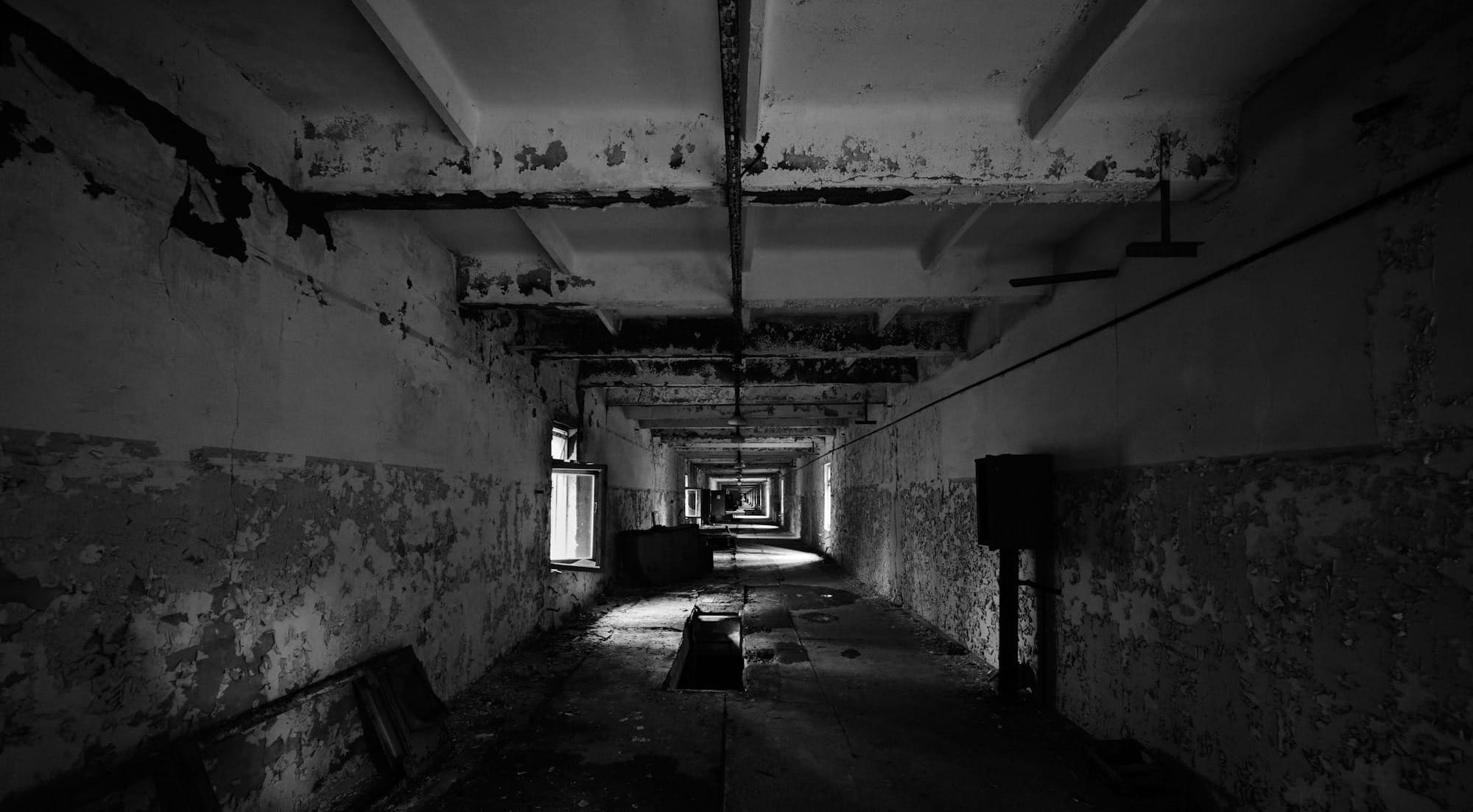
I can feel its teeth against my back—those that come to mind when you think about the gears of a mining drill or a meet grinder, all the roughness of nature bent by the cruelty of mankind. Nails and rusted edges dig into the tender flesh of my back, between my shoulder blades where the small scars left by teenage acne still fleck the skin. I clench my teeth, hard enough to screech like trainers on the floor of a high school gymnasium, and try with everything in my being to hold my breathing still and shallow. Even still, the rushing sound of each shuddered breath fills my ears, and the slight swelling of my chest drives me further and further onto those little fangs. There is so much to think about. The bitter cold all around me, the crushing weight of metal that seems to cling to my frame like my clothes, slick with blood or sweat, it is too hard too hard to tell. I crane my neck to look down, feeling something drag against the base of my skull, and try to discern the dark stains on my shirt through the thin slits of artificial light from the room outside.
Creak.
I stiffen, as rigid as the steel box around me. I can no longer hear the sound of my breathing beneath the sledgehammer beating against my heart. I tell myself that I am hearing things, that it was just a strong gust of autumn wind or a door hinge that needs to be oiled—but I know that I am not hearing those things at all. There is someone in the house. Someone who should not be there.
Someone who continues to creak closer and closer to the basement stairs.
I stifle the small cry that bubbles in my throat. Beneath my sweat-slicked skin my blood boils, the sensation somehow both hot and cold. Every fibre of my muscles screams at me to move, to claw myself out of the cabinet and find some other hidey-hole. I think about kitchen knives tearing into that far-too-thin metal, screeching as it sinks into my flesh and tastes my blood. I think about the cleaving of an axe, how both the torn cabinet and the axehead could bury themselves into my sides, like the nails inside an iron maiden. I think about how little room there is in here, how my blood might fill it like floodwater, might settle at the bottom of my air-choked lungs.
I am not safe in here. I am not safe in here.
The walls of the cabinet are closing around me, cinching tighter and tighter against my arms and my legs, cutting off the circulation until my fingers start to tingle. I am trying to wriggle my way out of its stoney clutches, to free a hand and unhook the latch on the door, but it is too tight and my knuckles catch on the softness of my gut. I let out another choked sob, which fills what little air remains between me and the cage around me, drowning out the sound of someone creaking down the basement stairs. There is someone down here with me, someone who could make as much sound as they liked and they still would not be heard over my breathing hissing out of my closing throat. There is someone down here with me and there is no way out of here, and here they come and the skin of my knuckles is torn but still hooked into the metal and the latch is so close but they are so much closer and the artificial light from outside is swallowed whole and my finger closes around the latch and—schink.
I falter. The latch turns as if by itself against the touch of my fingers and the door buckles enough to let some of the light outside in through the cracks. Then enough for two irises that shine like snakeskin and clinical white teeth cut into a smile. Then enough for the sutures around his face, stitches that hold the loose-fitted skin to his knife-like cheekbones and chin. Then enough for the colourful coat, unbuttoned to his chest so that some of his emaciated flesh and bone shows underneath. Then enough for the fingers, stick-thin and far longer than seemed natural—those fingers that reached in and obscured the basement light behind him.
I think I should have hidden somewhere else.